

Customers continuously evaluate brands, services, and online experiences before making selections in today’s fiercely competitive digital marketplace. One of the most crucial tools for companies looking to increase exposure, draw clients, and keep a competitive edge is a solid digital strategy. Even companies with superior goods or services may find it difficult to stand out in crowded marketplaces without a defined approach.
In order to accomplish long-term commercial objectives, digital strategy entails organizing and coordinating online activity. Companies that make digital planning investments are often better equipped to adjust to shifting customer preferences and market trends.
Developing A Robust Internet Presence
Developing a distinct and identifiable online persona is one of the main functions of digital strategy. After browsing a company’s website or social media page, customers often develop views about it in a matter of seconds. Businesses can establish trust right away with a polished look, consistent branding, and user-friendly design.
Read More : How to develop a content strategy that aligns with your SEO goals
Clarity is the first step toward a strong market position. Companies must explain how they differ from rivals. In order for consumers to immediately grasp the company’s value, digital strategy aids in defining brand voice, visual identity, and message. Over time, brand identification is strengthened by consistency across websites, ads, social media, and email campaigns.
Additionally, a well-thought-out approach guarantees that companies remain professional across all digital platforms. Potential clients are more likely to see businesses as trustworthy and dependable if they provide information in an orderly and regular manner.
Increasing Visibility In Search
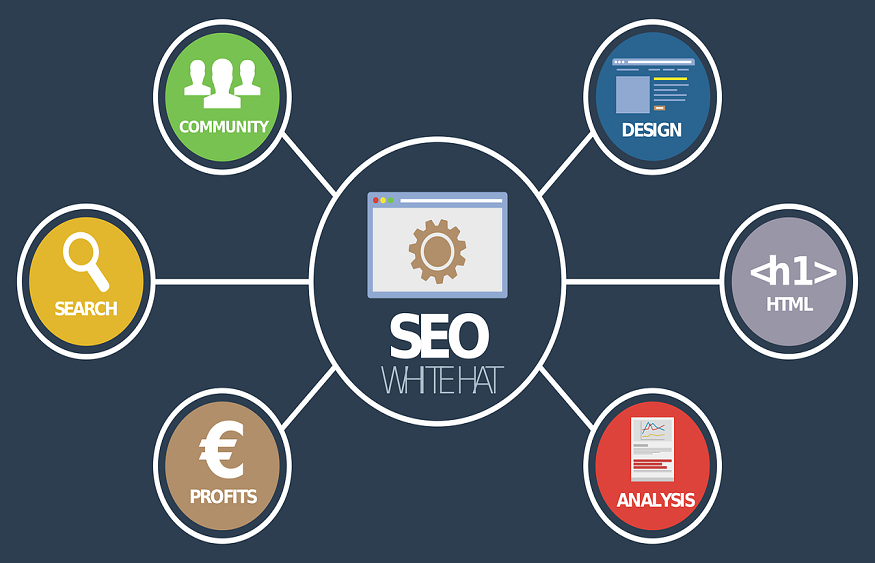
Online market positioning is heavily influenced by search engine visibility. Since search engines are where most customers start their purchasing process, it is crucial for companies to show up in relevant search results. In order to improve ranks and boost organic traffic, a professional SEO agency may be of great assistance in this situation.
Enhancing a website’s technical performance, keyword targeting, content quality, and structure are all part of search engine optimization. Companies that have optimized their websites are more likely to draw in customers who are actively looking for their goods or services. Opportunities for lead generation and client acquisition rise with increased exposure.
Instead of acting as discrete marketing activities, digital strategy ensures that SEO efforts are in line with larger corporate objectives. Companies that integrate technological optimization, keyword strategy, and content production often see greater long-term increases in their online presence.
Improving The Client Experience
One of the most important variables affecting online performance is now customer experience. Customers anticipate that websites will load quickly, run well, and provide easy navigation. A bad online experience may swiftly drive prospective clients to rival businesses.
Understanding consumer behavior and enhancing interactions across the whole purchasing process are the main goals of digital strategy. This might include making material more interesting, enhancing mobile responsiveness, or streamlining navigation.
Visitors are more likely to remain longer, explore offerings, and finish purchases or queries when they have a great online experience. Companies that continuously provide easy and effective experiences tend to increase consumer loyalty and enhance brand reputation.
Encouraging Data-Driven Decision Making
Businesses now have access to useful performance data thanks to modern digital marketing. Businesses may monitor website traffic, user engagement, advertising performance, and conversion rates with the use of analytics software. Businesses may make efficient use of this information while making choices thanks to a digital strategy.
Businesses may assess actual consumer behavior and modify advertising based on quantifiable outcomes rather than depending on conjecture. This results in less wasteful expenditure and more effective marketing campaigns. Companies may determine which tactics provide the greatest results and concentrate resources on high-performing regions.
Read More : Optimizing Growth: The Power of Revops Agency Solutions
Additionally, data-driven planning enables companies to react swiftly to shifts in the market. When consumer preferences change or market trends change, businesses that routinely assess performance may adjust more quickly than rivals.
In Conclusion
By assisting companies in enhancing visibility, customer experience, branding, and decision-making, digital strategy is essential to bolstering online market placement. Businesses that make organized digital planning investments are often better at gaining clients, establishing credibility, and staying competitive in changing marketplaces.
Businesses that place a high priority on strategic digital growth will probably continue to be stronger, better known, and in a better position for long-term success as online competition increases.